
Stand in the right cathedral, alone, and say a single word out loud.
The word does not just echo. It blooms. It climbs the columns, gathers under the dome, and comes back to you a few seconds later, softened and enormous, as if the building itself decided to answer. You feel it in your chest before you understand it in your ears. For a moment you are not looking at architecture. You are standing inside an instrument.
We are taught to call these buildings monuments. Stone raised to God, or to power, or to the memory of a city. That is true, and it is not the whole truth. Some of these spaces do not merely hold sound. They shape it. And a building that shapes sound on purpose is not only a monument. It is a machine for doing something to the human being who stands inside it.
Why do some cathedrals seem to sing back?
Walk into a great Gothic nave and clap once. In many of them the sound will hang in the air for four, five, seven full seconds. That is not simply what big rooms do. Reverberation that long, that even, that musical, is a design outcome. It needs specific proportions, specific materials, specific curves.
Plainchant, the old unaccompanied singing of the church, sounds thin and a little strange in an ordinary room. In the cathedral it becomes overwhelming. The building fills the silences between the notes, layers the voices back over themselves, and turns a handful of monks into something that sounds like a choir of hundreds. The music was not written and then dropped into whatever room happened to be available. The room and the music behave like they were made for each other.
So here is the first crack. If the acoustics were merely a side effect, it is a remarkably persistent one, repeating across centuries, countries, and generations of builders.
What is cymatics, and why does it keep coming up around old architecture?
Cymatics is the study of what sound does to matter. Sprinkle sand on a metal plate, draw a bow across the edge, and the grains flee the loud places and gather in the quiet ones, arranging themselves into precise, symmetrical patterns. Change the pitch and the pattern changes with it. You are watching sound become shape. It is not mysticism. It is a plate, some sand, and a tone.
Now look at the rose windows, the vaulted ribs, the mandalas set into ceilings and floors of sacred buildings all over the world. Look at the symmetry. Some of these patterns bear a striking resemblance to the shapes sound creates when it organizes matter.
The careful answer is that humans are drawn to symmetry, and symmetry turns up everywhere, in flowers and frost and cathedral glass alike, for ordinary reasons. That deserves real weight.
There is no evidence that medieval builders were looking at Chladni plates or anything resembling modern cymatic experiments. But that is not quite the interesting question. The interesting question is whether different ways of studying vibration, proportion, and resonance could have led them toward the same geometries.
If a culture understood that sound arranges matter into these exact forms, and then built its holiest spaces in those same forms, tuned to resonate, would we recognize what we were looking at? Or would we file it under decoration and walk on?
Were these buildings tuned on purpose, or is that just romance?
The story we are told is reasonable. Master builders inherited centuries of trial and error. They knew, by feel and tradition, what made a space sound holy. The acoustics were craft, not code. The geometry was symbolism, not engineering. Beautiful, yes, but a byproduct of devotion rather than a deliberate technology of sound.
The other face is harder to prove, but harder to dismiss. That some of these builders knew exactly what they were doing. That the proportions were not only symbolic but functional. That a cathedral was tuned the way you tune an instrument, so that a certain voice, in a certain space, would do a certain thing to the body and the mind of the person standing in the nave.
You do not have to prove the second face to notice how much quiet work the first one is doing. It asks you to believe that builders capable of producing these extraordinary acoustic effects, again and again, regarded the resonance you feel in your chest as little more than a fortunate consequence of architecture.
Maybe they did.
Or maybe we have forgotten part of what they understood.
What did they believe sound could actually do?
Almost every old tradition treated sound as a force, not a flourish.
The world spoken into being. The name too holy to say aloud. The chant that heals, the bell that clears a room, the note that brings a wall down. We read these as metaphor. They were not always meant as metaphor. To the people who raised resonant temples and sang inside them, sound sat closer to a technology than to an ornament, a way to move something in the unseen world and in the human being at the same time.
If that was the working assumption, then a building tuned to amplify and shape the human voice was not a concert hall, and not only a monument. It was an instrument played on the person inside it. The music was never the point. You were.
Why does none of this make it into the tour?
Stand in the cathedral again. The guide will tell you the height of the spire, the year of the fire, the name of the bishop, the cost of the glass. The guide will not tell you to clap, and then to listen to what the building does with the sound. The caption is about stone and dates. The experience is about frequency and the body.
This is the quiet pattern under all of these questions. The building is doing one thing, and the story you are handed points you at another. Not always by conspiracy. Often by inheritance. Most accounts of these places begin with the assumption that they were monuments, so that is what they describe. The resonance was there the whole time. It just never made the plaque.
Turn the coin. On one face, gifted builders and a fortunate accident of stone. On the other, a lost understanding of sound as a force, and buildings raised to use it. Both faces deserve to be held. Neither is the whole coin.
The next time you stand under a ceiling that seems to hum, do not only read the plaque. Make a sound, and listen to what the room does with it. You are not just looking at a monument. You may be standing inside a surviving technology we were taught to call decoration.
The Keys do not tell you what is true. They hand you the coin, and ask you to feel its weight.
If this piece moved something, the beginning of the book is free.
The Keys do not tell you what is true.
They show you the faces.
— Intro to the Keys: The Coin
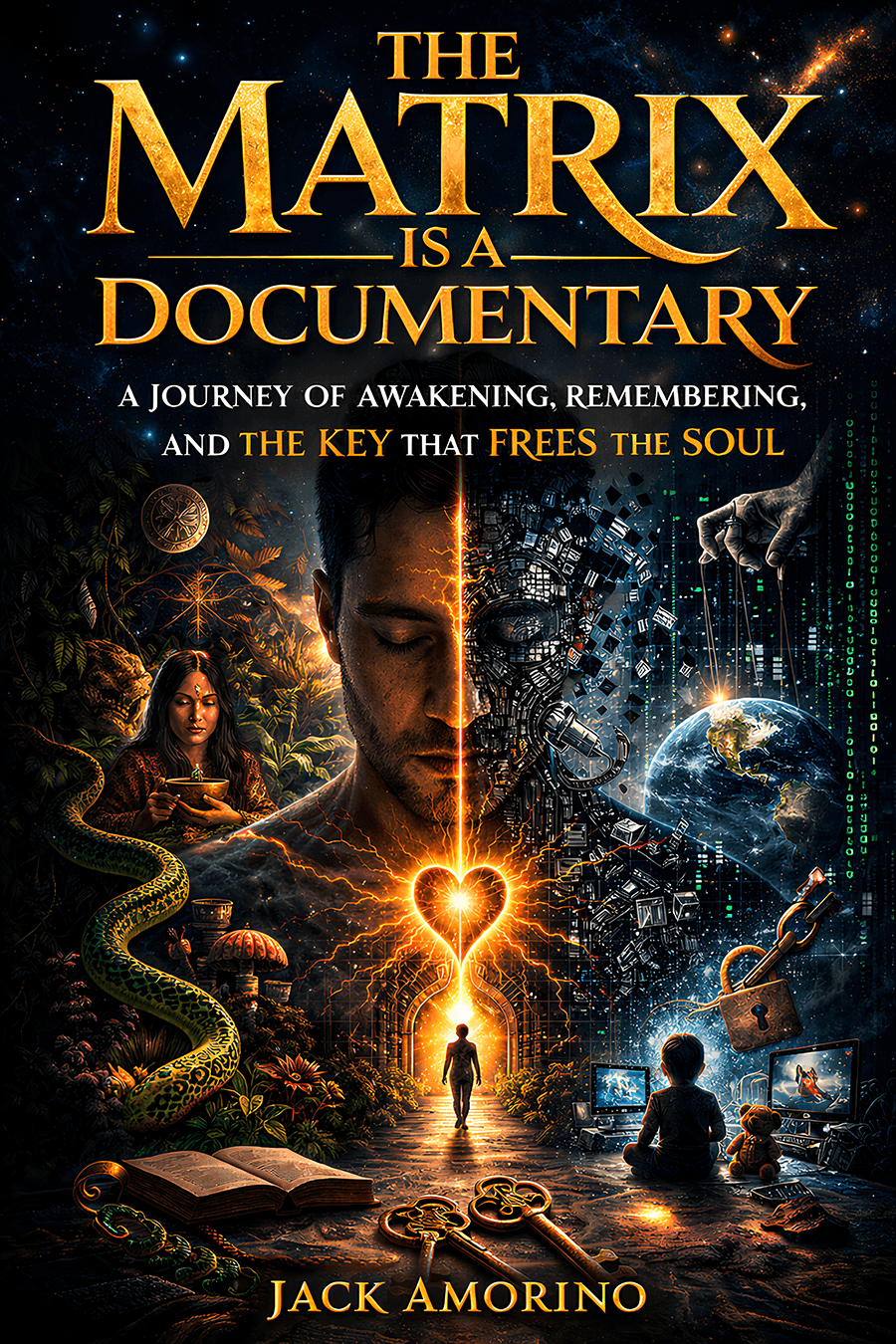
The Keys run deeper in the book: twenty-seven of them, in three Cycles, left behind for those ready to go further.


